The Real Mechanics of Online Casino Games and Sports Betting
You click 'spin', the reels blur, and for a second you're convinced the machine is deciding your fate in...

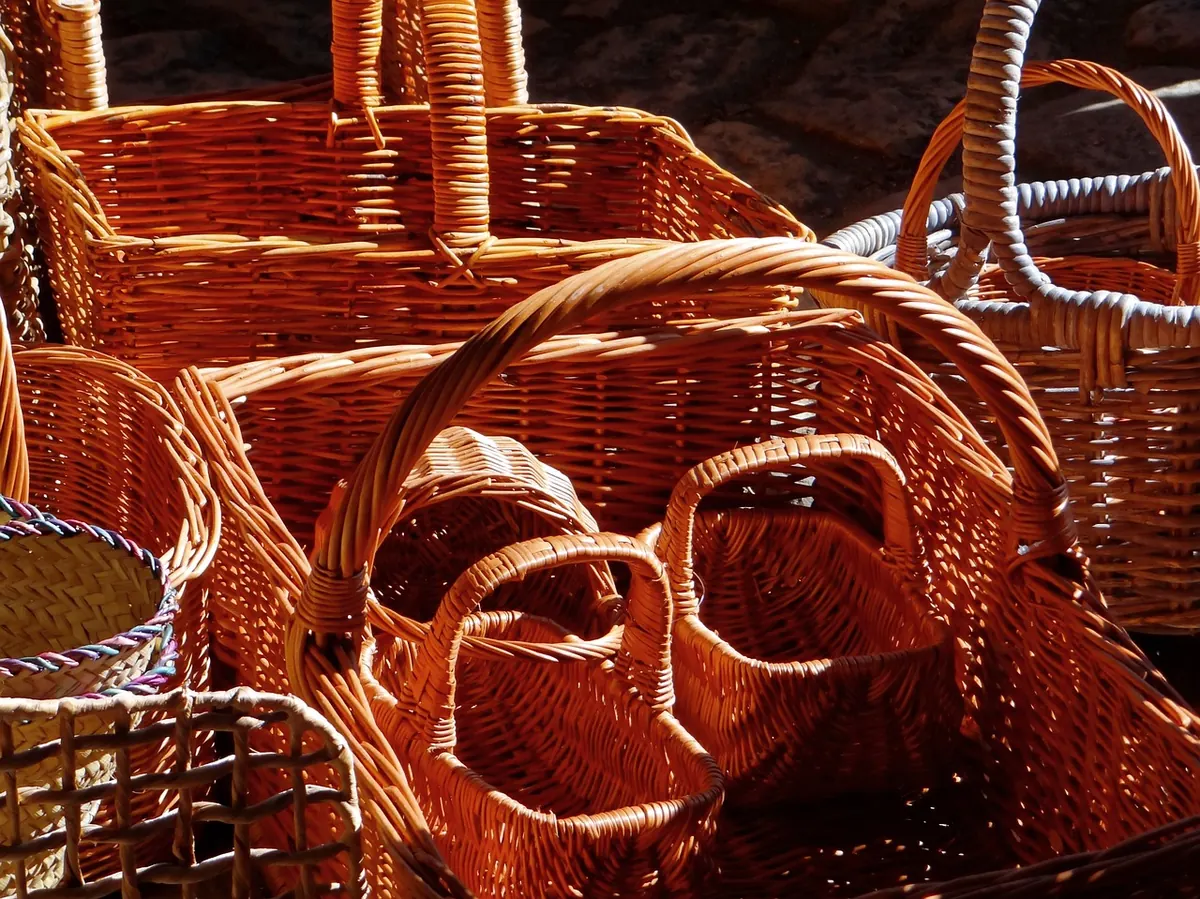
A balcony, a courtyard, or a few feet of paving outside a kitchen door is enough to start willow weaving. The material is forgiving, the tools are modest, and most projects can be made on a kitchen table or a patch of grass. The projects below are chosen for compact spaces: things that hold up a tomato plant, carry herbs, feed the birds, or simply look good on a wall. None need a workshop, and none will take over a small garden.
Willow also behaves well in small quantities. A bundle of rods takes up less room than a bag of compost, and you can soak what you need in a trug or a bucket rather than a water butt.
Willow is a coppiced crop, cut from stools that regrow, which makes it one of the more sustainable craft materials you can buy. It is light when dry, flexible when soaked, and surprisingly strong once it has dried into shape. For anyone gardening on a balcony or in a courtyard, that combination matters: you can store a bundle in a shed corner, soak it in a bucket, and weave without making much mess.
You need very little kit. Sharp secateurs, a craft knife, a bodkin or large darning needle for threading, and something round to work around. A flowerpot, a bucket, or a length of old hose all make useful moulds for hoops.
Brown willow is dried with the bark on. It is the workhorse for garden structures and needs soaking before use. Buff willow has had the bark stripped; it is paler, smoother, and often a better choice for decorative pieces. Green willow is freshly cut and wonderfully flexible, but it shrinks as it dries, so weaves can loosen. Use green willow for rough garden supports where a little movement does not matter.
If you make only one thing, make a hoop. A hoop of 30–40cm across, pushed onto three canes, will hold up peas, sweet peas, or a perennial that flops after rain. To make one:
For a taller support, build a tripod obelisk. Push three stout rods into a pot or the ground, cross them near the top and tie firmly, then weave thinner rods horizontally around the legs. Keep the spacing wide enough to reach through when you are tying in shoots.
A shallow woven basket makes a good home for thyme, oregano, or a compact mint. Weave a base with five or seven stakes, then bend the stakes upwards and weave a low wall with thinner rods. Line the inside with moss or a piece of coir matting, add compost, and plant. Keep mint in its own pot plunged into the compost, or it will swamp everything else.
Hanging pouches suit a balcony rail. Weave a half-basket — a flat back and a curved front — then thread two lengths of galvanised wire or strong twine through the back and fix them around the rail. Line the pouch, plant something that trails, and water it more often than you think. Small baskets dry out quickly in wind.
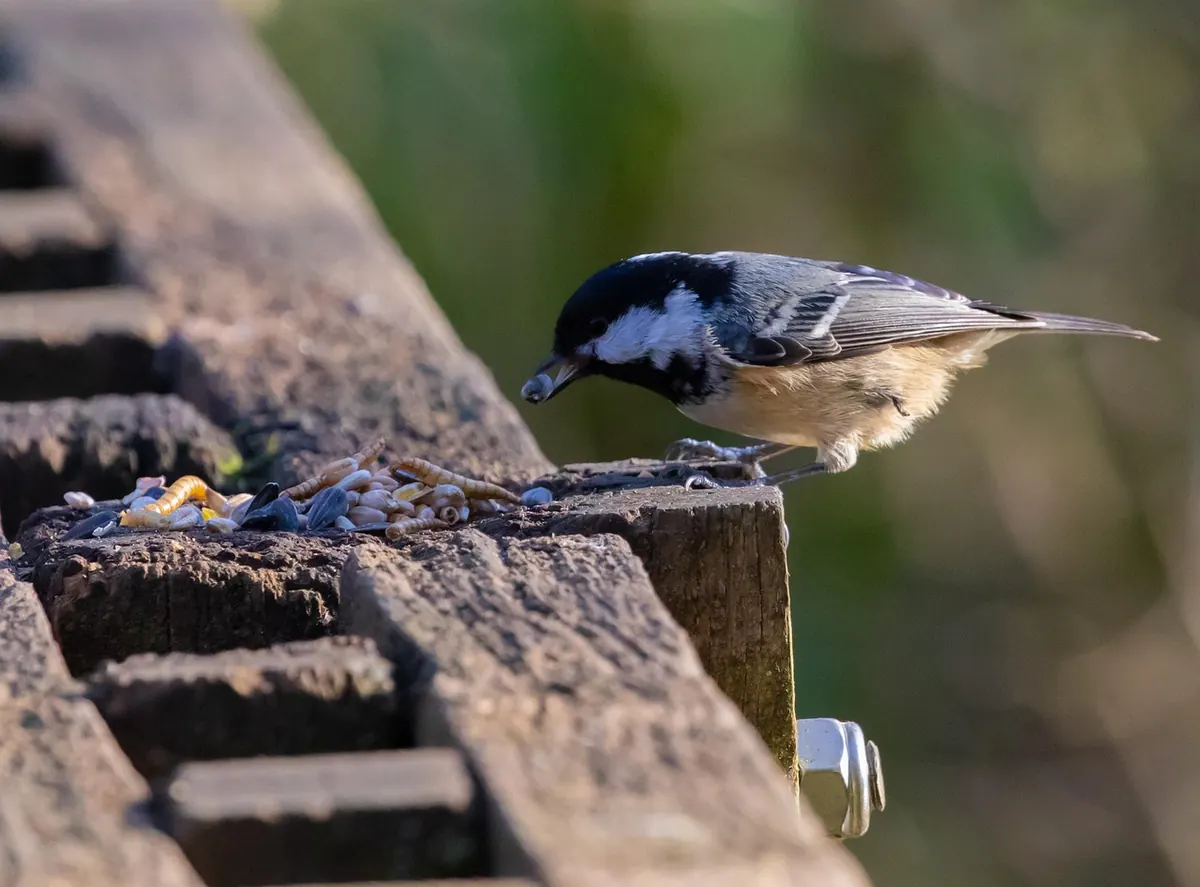
Willow bird feeders should be simple and easy to clean. An open tray with a low rim works well for seed; a small cage holds a fat ball; a short woven sleeve around a log holds suet. Avoid tight lids and enclosed shapes that trap damp, because mouldy food is bad for birds. Wash feeders regularly with hot soapy water, rinse well, and let them dry completely before refilling.
For bees and other insects, a bundle of hollow stems tied into a willow frame is a useful addition to a wall. Use stems of different diameters, site it somewhere dry and sunny, and replace the stems every year or two to keep it clean.
A willow wreath base is the same principle as a plant hoop, just tighter and neater. Soak buff willow, bend a ring, and weave until it feels firm. Hang it with jute twine and dress it with dried flowers, seed heads, or a few sprigs of rosemary. For a wall, weave a flat heart or star over a simple former made from canes, then tie the shape off at the points.
Five projects for a wet afternoon:
Balconies bring wind, weight limits, and rules. Dried willow is light, but a tall obelisk in a pot can still catch the wind and topple. Choose lower shapes, weight the pot with a heavy base, and tie structures to a sturdy rail rather than relying on the pot alone. If you want to fix anything to a wall, check your lease or ask the freeholder first; tension poles and clamp-on brackets avoid drilling altogether.
Weight matters when you are filling baskets and pouches with compost. A few small containers are easier to move, water, and rearrange than one large one. Keep drainage holes clear, and empty saucers after rain so roots do not sit in water. If you use fairy lights, choose battery or low-voltage outdoor lights and keep them away from dry willow; dried stems and warm bulbs are not a good pairing.
Willow dries to a pale honey colour and will last for years if it is kept dry and aired. Garden structures can stay outside, where they will gradually weather to silver-grey; that is part of their charm. If you prefer the paler look, bring small pieces under cover for the winter. A coat of linseed oil will deepen the colour and add some protection, but test it on an offcut first.
Each spring, check ties and replace any rods that have snapped. Green willow sometimes roots and shoots; either enjoy the new growth or snip it off at the base. If a basket or pouch has been outside all winter, empty it, scrub it, and let it dry before replanting.
Start with a hoop, then a basket, then a feeder. A small garden or balcony will never feel like a limitation once you have a few rods soaking and a project on the table.
Photo: TheOtherKev / Pixabay
You click 'spin', the reels blur, and for a second you're convinced the machine is deciding your fate in...
A tour of Britain's willow-growing heartlands, from the Somerset Levels to Cumbria and the Scottish coast,...
Keep willow rods supple, clean and mould-free with simple storage habits, from wrapping fresh bundles to...