The Real Mechanics of Online Casino Games and Sports Betting
You click 'spin', the reels blur, and for a second you're convinced the machine is deciding your fate in...

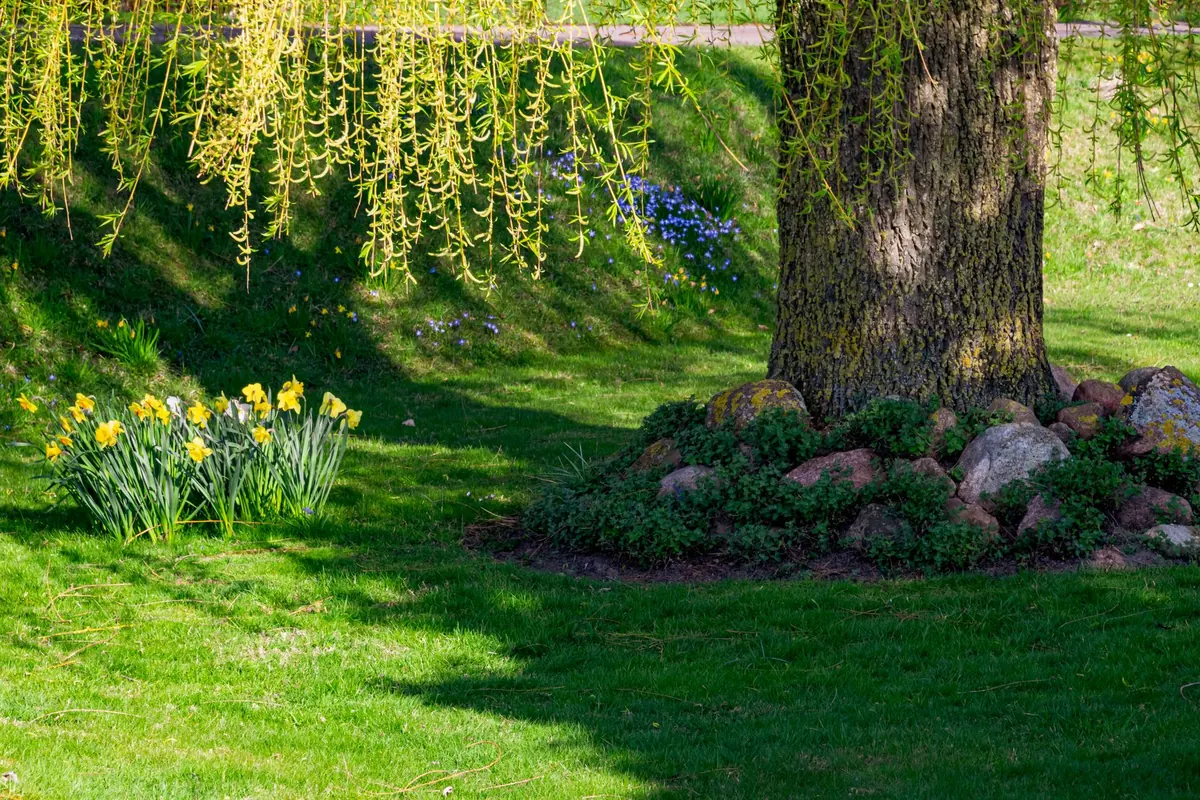
A living willow arch is not a structure in the way a shed is. It is a plant that has agreed to hold a shape, and it renegotiates that agreement every year. Miss a season of tying in and a neat tunnel becomes a thicket. Leave a snapped rod in a dome and the gap widens with every gale. The good news is that the work arrives in short, predictable bursts — an hour here, twenty minutes there — and most of it is pleasant.
What follows is the calendar most willow growers settle into. Adjust it by a few weeks either way depending on where you are; a garden in Cornwall runs ahead of one in Aberdeenshire by roughly a month, and a cold spring slows everything down.
While the willow is dormant, you can be bold. This is the only time of year when hard cutting back is safe, because the plant is not pushing sap into the wood you are removing. Avoid working on a hard frost, though. Frozen rods are brittle and split rather than cut, and a clean cut matters far more on willow than on most shrubs.
Winter jobs, roughly in order of importance:
Growth starts and the structure begins to move. New shoots will appear along the rods, particularly near cut ends, and you do not want all of them. Rub off shoots pointing into the middle of an arch or dome, and keep the ones that follow the line you want.
Tie in as the whips reach. Soft jute twine or thin willow ties both work; the trick is a loose figure-of-eight rather than a tight loop, which strangles the rod as it thickens. Check last year's ties now and slacken any that have started to bite into the bark. A tie that has disappeared under a layer of wood should be cut and replaced, not pulled.
If the willow is in its first two years, water it properly in any dry spell. Young living structures fail far more often from drought than from cold. A mulch of well-rotted compost or bark around the base, kept clear of the rods themselves, holds moisture and suppresses weeds.
This is the busiest stretch. In warm, wet weather a whip can put on a surprising amount of growth in a fortnight, so walk round once a week with secateurs and twine in your pocket. Weaving the new growth in as it arrives takes minutes; untangling it in August takes an afternoon.
Two problems to watch for. Aphids cluster on soft tips, and a strong jet from a hose usually deals with them without any spray. Willow rust shows as orange or yellow speckling on the leaves — pick off affected leaves and bin them rather than composting, and keep the air moving through the structure by thinning crowded growth.
Keep a clear ring of about 45cm around the base, free of grass and weeds. Willow roots resent competition while they are establishing.
Once growth slows, usually from late July, you can trim the structure back into line. Check for nesting birds before you cut anything — wild birds' nests are protected while in use, and a dome or screen is exactly the sort of place a robin or blackbird will choose.
Trim lightly and often rather than hard and rarely. Take the longest whips back to a bud, but leave a few to weave in where the shape needs thickening. Resist the urge to cut hard late in the season: new growth needs time to ripen before winter, and late cuts produce soft shoots that die back.
Falling leaves reveal the skeleton, and the first autumn gales find the weak points. Work round the structure methodically:
If a mature structure has pulled badly out of shape, or is leaning away from a wall in a way that worries you, it is worth getting someone experienced to look at it rather than wrestling with it yourself.
Structures made from dried willow need different care. They will not grow, so the aim is to slow decay: keep the base off damp ground if you can, check and tighten ties each autumn, and weave in soaked replacement rods where a withy has snapped. Repairing in autumn, while the structure is still dry and the gaps are visible, is much easier than patching it in spring.
Keep your secateurs sharp and clean — blunt blades crush willow and leave a wound that invites disease. Store twine somewhere you will actually find it. Walk the structure once a week, even in winter, and deal with small problems while they are still small.
Finally, take a photograph from the same spot each season. Shapes creep gradually, and a picture from two years ago will tell you more about what needs correcting than your memory ever will. Ten minutes a week, one proper session in winter, and a living willow arch will hold its line for decades.
Photo: Sergej ***** / Pexels
You click 'spin', the reels blur, and for a second you're convinced the machine is deciding your fate in...
A tour of Britain's willow-growing heartlands, from the Somerset Levels to Cumbria and the Scottish coast,...
Ten willow weaving projects for balconies and small gardens, from plant supports and herb baskets to bird...