The Real Mechanics of Online Casino Games and Sports Betting
You click 'spin', the reels blur, and for a second you're convinced the machine is deciding your fate in...

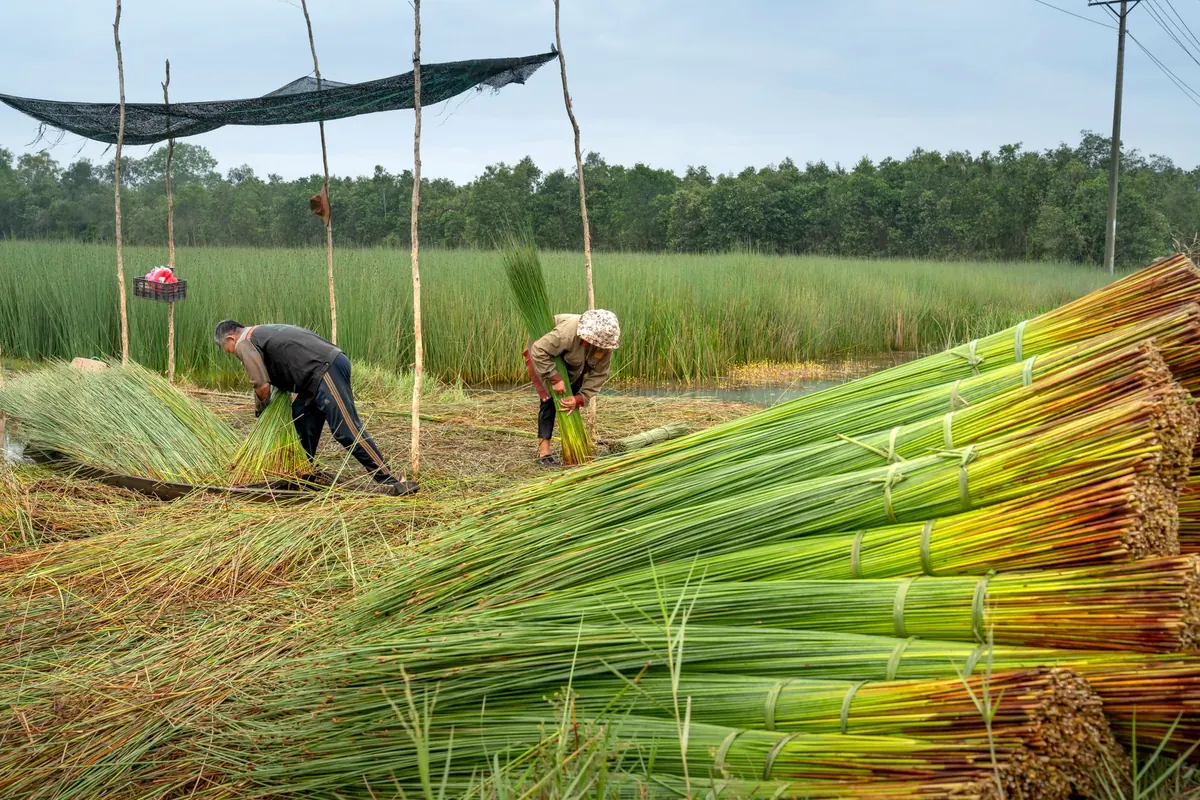
Willow is one of the most forgiving materials you can work with, but it rewards good timing. Two decisions shape everything that follows: when you cut the rods, and how you treat them between the stool and your weaving basket. Get those right and a bundle will bend smoothly around a corner without cracking. Get them wrong and you will fight every weave.
Cut willow while it is dormant, from leaf fall until just before the buds break. Across most of the UK that means late November through to early March, with January and February the busiest months.
Winter rods are at their best: sap is down, the wood is firm and the bark sits tight on the stem. Choose a mild, dry day rather than a hard frost. Frozen rods splinter as the blades bite, and the ends shatter instead of slicing cleanly.
Cutting late brings a different problem. Once the sap starts to rise in March, the bark slips easily — useful if you want stripped rods — but the rods are full of energy and will throw shoots in storage. A bundle left in a warm shed in April can be sprouting within a fortnight, and the wood softens as it does.
If you are cutting your own stools, take them down close to the ground, leaving a stub of two or three buds — roughly 3–5cm — with a slanted cut so rain runs off. If you have room, leave a few stools uncut each year to grow on for a second season; that two-year growth gives you the thick rods that garden structures and hurdle stakes need.
Sharp bypass secateurs handle rods up to finger thickness; loppers or a pruning saw deal with the rest. Blunt blades crush the stem, and a crushed base is the first place a rod will split once you start weaving with it.
Sort as you cut, not weeks later when the bundle is a tangled heap. Tie rods into bundles of a consistent count — fifty or a hundred is easy to keep track of — and keep each cultivar separate. Black Maul, common osier and purple willow all behave differently in the hand, and mixing them makes both soaking and weaving unpredictable.
Label each bundle with the cultivar and the cutting date. It takes a moment and saves a lot of guesswork later in the season.
Rods woven with the bark left on are called brown. They are the simplest option: cut, dry, store, and you are done. Brown willow has a warm, natural colour and a slightly rough texture that suits rustic baskets and garden work.
Stripped rods are pale and smooth. Buff willow is stripped and dried; white willow is boiled before stripping, which gives a paler, cleaner finish and is usually left to commercial producers. Stripping is easiest in late spring when the sap is rising and the bark lifts in one piece. The traditional approach is to leave rods standing until the leaves are out, then cut and strip them the same day. Re-soaking dried rods to strip them works, but it is slow and rarely gives as clean a result.
To strip by hand, grip the base of the rod and pull a stiff glove, or a purpose-made stripper, from base to tip in one steady movement. Work outdoors — bark peelings make a mess — and keep a bucket nearby for the waste, which composts well.
Dry rods somewhere airy, dry and shaded. Moving air matters far more than warmth. Lay bundles on a rack off the ground rather than stacked tight against a wall, and loosen the ties if the weather turns damp. Direct sun bleaches the colour out of brown rods and can crack the wood.
Expect three to six weeks in a shed or under a carport. A properly dry rod snaps with a sharp crack when you bend it hard; a damp one bends like leather. Test a few from the middle of a bundle, not just the ones on the outside.
Once dry, store bundles off the floor in a dry shed, garage or loft, away from mice and damp. Kept dry, willow lasts for years — which is one of the quiet pleasures of working with it.
Dried willow is brittle and must be rehydrated before it will bend. Soak it in cold water: a trough, an old bath, a water butt, or a stream with the bundle weighted down. Warm water speeds things up but can darken the colour and encourage mould, so cold is safer.
As a rough guide, basket-sized rods need about a day in the water, then a similar spell mellowing. The old rule of thumb — roughly an hour of soaking for every foot of rod length — is a starting point, not a law. Thick, bark-on brown rods need considerably longer than buff rods of the same length, and some cultivars drink faster than others.
Mellowing matters as much as soaking. Lift the rods out, shake off the drips and wrap them in a damp cloth, an old blanket or a plastic sheet overnight so moisture spreads evenly through the wood. A rod that is wet on the outside and dry at the core will still crack when you bend it. If a rod snaps at the bend, put the bundle back for another few hours.
Do not overdo it. Willow left in water for days turns black and slimy, weakens, and is unpleasant to handle. Soak only what you can weave within a couple of days; leftovers can be dried and re-soaked later, but they lose quality, so keep them for rough structures. If you have sensitive skin, wear gloves — willow sap contains salicin and some weavers find it irritating over a long session.
Keep a small notebook. Note the cultivar, the cutting date, how long each batch dried, how long it soaked and how it wove. After two or three seasons you will have your own numbers for your own shed, which is worth more than any general rule.
Start small: cut a modest bundle this winter, dry it properly, and weave it next autumn. Before cutting on land that is not yours — hedgerows, verges, riverside growth — get the landowner's permission, and check whether the site has any protection status that restricts cutting.
Photo: Quang Nguyen Vinh / Pexels
You click 'spin', the reels blur, and for a second you're convinced the machine is deciding your fate in...
A tour of Britain's willow-growing heartlands, from the Somerset Levels to Cumbria and the Scottish coast,...
Ten willow weaving projects for balconies and small gardens, from plant supports and herb baskets to bird...